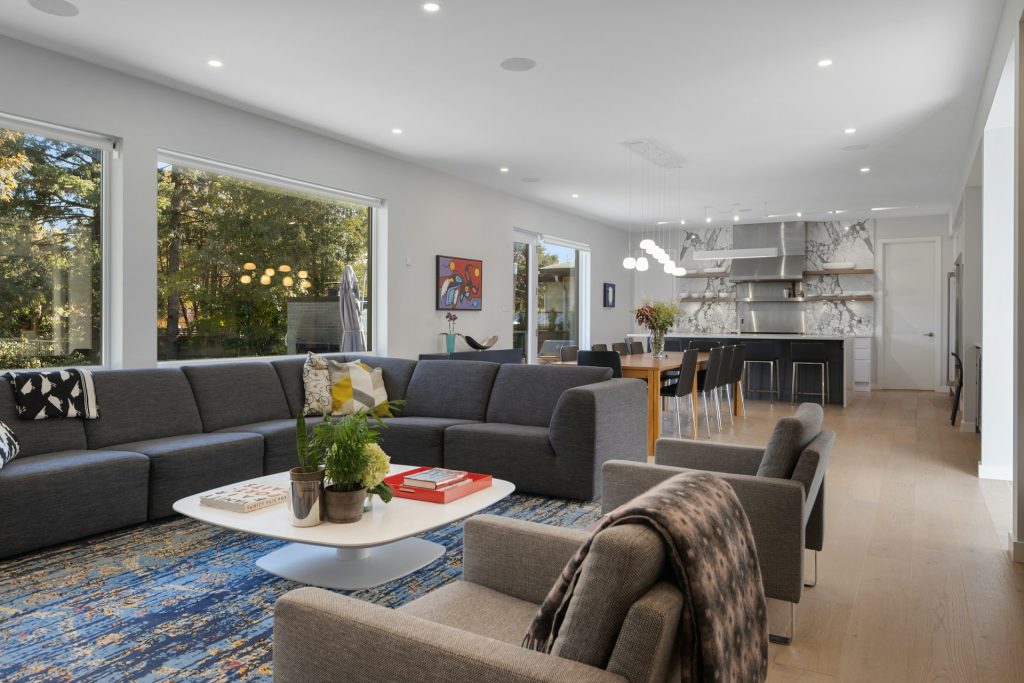
A successful home renovation begins with careful planning. Whether you are updating a single room or renovating an entire property, taking the time to define your goals, establish a realistic budget, and understand the scope of the project can help reduce unexpected challenges. A structured approach allows every stage of the renovation to move forward more efficiently while ensuring the finished result meets your expectations.
Define Your Renovation Goals
Before starting any renovation, identify what you want to achieve. Some homeowners focus on improving functionality, while others want to modernize outdated spaces or prepare a property for future needs.
Having clear objectives helps guide design decisions and ensures every improvement supports your overall vision.
Establish a Realistic Budget
A well-planned budget is essential for any renovation project. Consider construction costs, materials, finishes, furnishings, and any professional services that may be required.
It is also wise to include a contingency allowance for unexpected expenses that can arise during the renovation process.
Evaluate the Existing Space
Every property has unique opportunities and limitations. A professional assessment helps identify structural considerations, layout improvements, storage possibilities, and areas where natural light can be enhanced.
Understanding the current condition of the space provides a strong foundation for making informed design decisions.
Create a Functional Layout
Good renovation planning focuses on how people use the space every day. Rooms should be organized to improve movement, maximize available space, and support daily activities.
A practical layout not only improves comfort but also contributes to a more efficient and enjoyable living environment.
Select Materials Carefully
The choice of materials has a significant impact on both appearance and durability. Flooring, cabinetry, lighting, wall finishes, and furniture should work together to create a cohesive design while meeting practical needs.
Selecting quality materials helps ensure long-lasting performance and easier maintenance over time.
Work with Design Professionals
Professional guidance can make the renovation process more efficient and reduce costly mistakes. Designers and interior architects help develop practical layouts, recommend suitable materials, and coordinate every stage of the project.
Their expertise ensures that design decisions align with your goals, budget, and lifestyle.
Prepare for the Renovation Process
Once planning is complete, create a realistic timeline for the project. Ordering materials in advance, coordinating contractors, and scheduling work properly can help minimize delays and disruptions.
Good preparation contributes to a smoother renovation experience from beginning to end.
Conclusion
Successful home renovations begin long before construction starts. Careful planning, thoughtful design decisions, and professional guidance help create spaces that are functional, comfortable, and built to last. By investing time in the planning stage, homeowners can achieve results that improve both everyday living and the long-term value of their property.