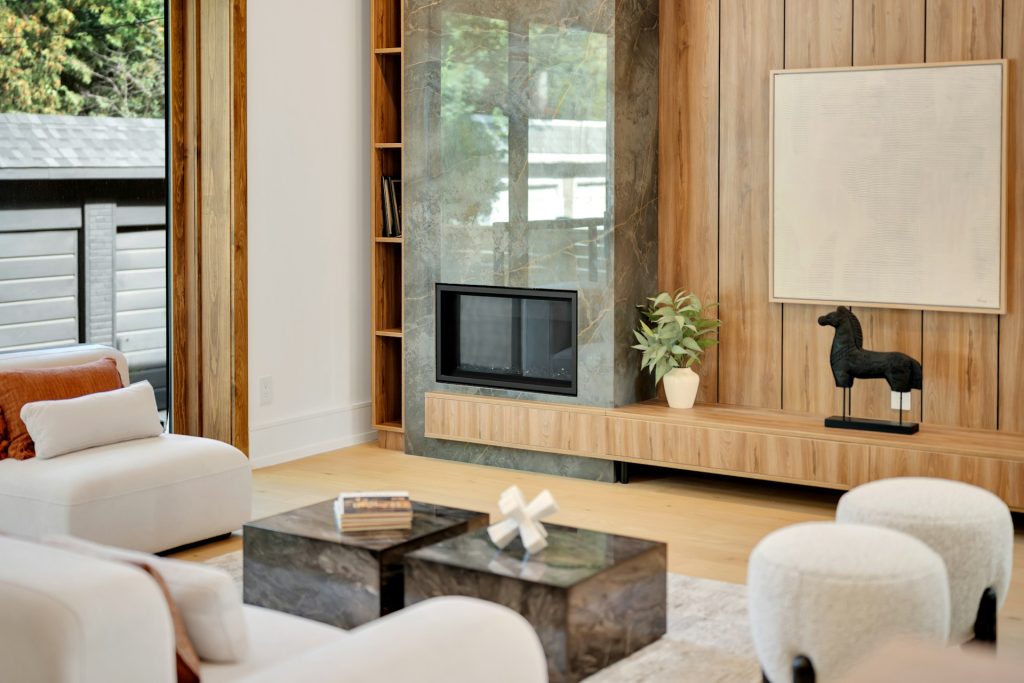
Interior design and interior architecture are often used interchangeably, but they focus on different aspects of creating functional and visually appealing spaces. While both disciplines aim to improve interiors, interior design primarily concentrates on aesthetics, furnishings, and finishes, whereas interior architecture focuses on the structure, layout, and functionality of a space. Understanding these differences helps property owners choose the right professional for their project.
What Is Interior Design?
Interior design focuses on enhancing the appearance, comfort, and usability of interior spaces. Designers carefully select color palettes, furniture, lighting, materials, and decorative elements to create environments that reflect the client’s lifestyle or brand identity.
The goal is to achieve a balanced combination of beauty, comfort, and practicality while making the best use of the available space.
What Is Interior Architecture?
Interior architecture goes beyond decoration by considering the structural elements of a building’s interior. Interior architects evaluate layouts, circulation, built-in features, and how spaces function within the existing structure.
They work on projects involving renovations, remodeling, or redesigning interior spaces while ensuring that design decisions align with the building’s architecture and intended use.
Key Differences
Although both professions collaborate closely, their responsibilities differ.
Interior Design
- Focuses on aesthetics and decoration.
- Selects furniture, lighting, fabrics, and finishes.
- Creates mood boards and design concepts.
- Improves comfort and visual appeal.
Interior Architecture
- Focuses on structural planning and space organization.
- Develops layouts for improved functionality.
- Considers building regulations and construction requirements.
- Supports renovation and remodeling projects.
When Should You Choose Interior Design?
Interior design is the ideal choice when the structure of your property remains unchanged, but you want to improve its appearance, comfort, or functionality through better furniture selection, lighting, colors, and finishes.
When Is Interior Architecture the Better Choice?
Interior architecture is recommended when your project involves changing layouts, improving circulation, renovating interiors, or making structural modifications to better suit your lifestyle or business requirements.
Working Together
Many successful projects combine both interior design and interior architecture. Structural planning creates a functional foundation, while interior design adds warmth, personality, and visual harmony. Together, they produce spaces that are practical, attractive, and built to meet everyday needs.
Benefits of Professional Planning
Working with experienced professionals helps avoid costly design mistakes, improves project coordination, and ensures every decision contributes to a cohesive final result. A well-planned interior can enhance comfort, increase efficiency, and provide lasting value for years to come.
Conclusion
Interior design and interior architecture each play an important role in creating successful living and working environments. While one focuses on aesthetics and furnishings, the other concentrates on structural planning and functionality. Choosing the right service—or combining both—helps create interiors that are practical, timeless, and tailored to your specific needs.