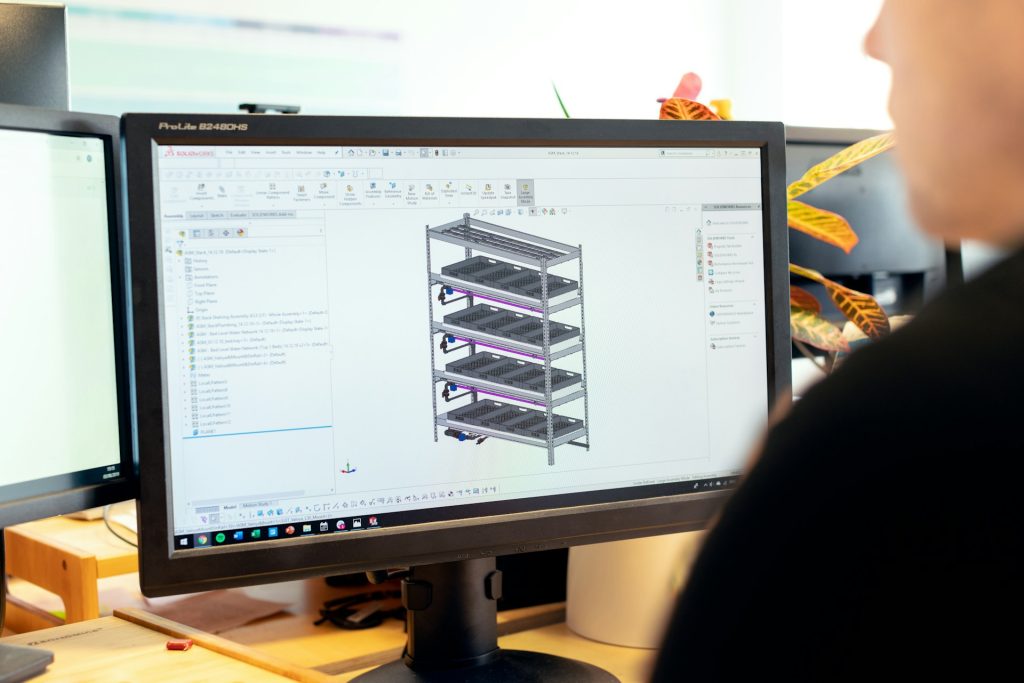
A well-designed workspace is more than just an attractive office. It supports productivity, encourages collaboration, and creates a comfortable environment where employees and visitors can perform at their best. Thoughtful commercial design combines functionality, aesthetics, and efficient space planning to ensure every area serves a clear purpose while reflecting the identity of the business.
The Importance of Workplace Design
The design of a commercial environment influences how people work, communicate, and interact throughout the day. A carefully planned workspace improves organization, reduces distractions, and creates a more enjoyable atmosphere for both employees and clients.
Professional commercial design also helps businesses make the most of available space while maintaining a welcoming and professional appearance.
Planning an Efficient Layout
Every successful workspace begins with a practical layout. Designers evaluate how teams operate, how visitors move through the space, and how different areas are used on a daily basis.
Well-planned layouts improve circulation, encourage collaboration where needed, and provide quiet areas for focused work. The result is a workspace that supports both productivity and comfort.
Reflecting Your Brand Identity
A commercial interior should communicate the values and personality of the business. Through the thoughtful selection of materials, colors, furniture, and finishes, a workspace can reinforce brand identity while creating a positive impression for employees, partners, and clients.
Consistent design elements help establish a professional image and strengthen brand recognition.
Comfort and Employee Well-Being
Comfort plays an important role in workplace performance. Natural lighting, ergonomic furniture, proper acoustics, and carefully selected materials contribute to healthier and more enjoyable working environments.
Employees who feel comfortable in their surroundings are often better able to focus, collaborate, and remain productive throughout the day.
Flexible Spaces for Future Growth
Modern businesses continue to evolve, making flexibility an important consideration in commercial design. Adaptable layouts, multifunctional meeting areas, and modular furniture allow workspaces to respond to changing business needs without requiring major renovations.
Planning for future growth helps maximize long-term value and supports ongoing business development.
Working with Design Professionals
Professional commercial designers understand how to balance aesthetics, functionality, and operational requirements. From initial planning and space optimization to furniture specification and project coordination, expert guidance helps businesses create workspaces that support both daily operations and future success.
Conclusion
A thoughtfully designed workspace improves more than appearance—it enhances productivity, supports employee well-being, and strengthens a company’s professional image. By investing in functional commercial design, businesses can create environments that inspire collaboration, improve efficiency, and adapt to future growth while delivering lasting value.